Why giving up the Chagos Islands could cost Britain £9bn – podcast
Eleni Courea discusses the UK’s historic deal to sign sovereignty of the Chagos Islands to Mauritius, and why some inside the Labour party are now regretting it. Campaigner Olivier Bancoult outlines why he hopes the deal will go aheadIn October last year, the UK and Mauritian governments reached a historic agreement to transfer the sovereignty of the Chagos Islands, a series of atolls in the Indian Ocean that have been described as Britain’s last African colony.It seemed, as political correspondent Eleni Courea describes, a diplomatic triumph for the new Labour government, ending decades of legal dispute over the ownership of the islands. And more than that, it offered Chagossians, after more than 50 years of exile, the prospect of returning home. In the late 1960s, when Britain granted independence to the rest of Mauritius, not only did it insist on carving out the Chagos Islands to keep for itself, but it forcibly displaced more than 1,000 people who lived there. Continue reading...
 admin
admin
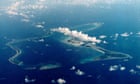
Eleni Courea discusses the UK’s historic deal to sign sovereignty of the Chagos Islands to Mauritius, and why some inside the Labour party are now regretting it. Campaigner Olivier Bancoult outlines why he hopes the deal will go ahead
In October last year, the UK and Mauritian governments reached a historic agreement to transfer the sovereignty of the Chagos Islands, a series of atolls in the Indian Ocean that have been described as Britain’s last African colony.
It seemed, as political correspondent Eleni Courea describes, a diplomatic triumph for the new Labour government, ending decades of legal dispute over the ownership of the islands. And more than that, it offered Chagossians, after more than 50 years of exile, the prospect of returning home. In the late 1960s, when Britain granted independence to the rest of Mauritius, not only did it insist on carving out the Chagos Islands to keep for itself, but it forcibly displaced more than 1,000 people who lived there.
Continue reading...