Keir Starmer’s local election losses are the result of deeply unpopular policies and failed promises to the Labour Party’s left-wing base Read Full Article at RT.com
Voters have taken out their frustrations on the British prime minister after two years of failure and broken promises
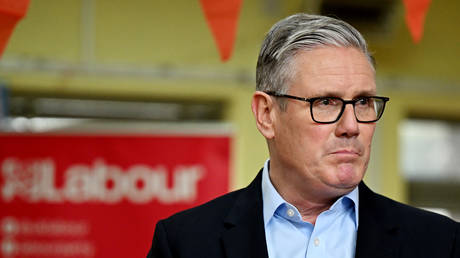
British Prime Minister Keir Starmer led the Labour Party to a landslide win in 2024. Since then, his approval rating has plummeted and he’s suffered one defeat after another. But what is it about Starmer that’s so uniquely unpopular?
Labour’s victory in the general election of 2024 was the party’s best result in more than two decades. Ending 14 years of Conservative rule, the election swept Starmer into Downing Street with a 174-seat majority and a level of public goodwill that none of his Tory predecessors had enjoyed.
How unpopular is Starmer?
The honeymoon period was brief. Within a month of the election, Starmer’s net approval rating fell from plus seven to zero, with 52% of Britons telling Ipsos that they felt the country was heading “in the wrong direction.” According to YouGov, his net approval now sits at –48 on their polling scale (not a percentage), making him the least popular prime minister in recent history.
After losing 187 local council seats in England last year, Labour is on track to lose around 1,800 when counting concludes on Saturday, in another round of local elections that are being viewed as a referendum on his leadership.
Calls for Starmer’s resignation are coming not just from his opposition – including the triumphant Nigel Farage’s Reform UK – but from within his own party. According to The Times, Energy Secretary Ed Miliband urged Starmer to begin “planning his resignation” weeks ago, in order to avoid a painful period of public infighting after the elections.
Taxes and austerity
In his first address to the nation after taking office in 2024, Starmer announced that his government had “discovered a £22 billion ($29.9 billion) black hole in the public finances,” and would have to make “unpopular decisions” to fix it. This translated into the fastest rising tax rates in the developed world, according to the OECD.
ADMIN POST@Keir_Starmer highlights our out of control migration system which he has done little to nothing about.
He talks about a 22 billion pound 'black hole' yet he continues to pay 5.38 billion pounds per year for illegal economic migrants to be housed in hotels all… pic.twitter.com/ayptgAsmta

 admin
admin