7 SMS Marketing Best Practices to Know Before You Hit “Send”
SMS marketing has quickly become an essential channel for businesses. Here are seven best practices... The post 7 SMS Marketing Best Practices to Know Before You Hit “Send” appeared first on Campaign Monitor.
 admin
admin
SMS marketing has quickly become an essential channel for businesses. Here are seven best practices to help you make the most of it.
If you’re like the average American, you spend around 36 minutes using your smartphone to text or call people every day. Most of these communications are done without a thought. However, the rapid-fire texting you do with your friends isn’t appropriate for marketing communications.
SMS marketing is one of the more interruptive ways of communicating with consumers because people feel compelled to read text messages. The 2020 Mobile Consumer Engagement report by Sinch found that 2 in 5 consumers have more than 50 unread emails in their inbox, but only around 2 in 50 have more than 50 unread texts. Many bulk SMS providers emphasize high open rates as one of the best features of text message marketing. We see it as a sign of higher stakes.
Our team here at Campaign Monitor gathered a list of SMS marketing best practices to help you meet consumers’ expectations as you launch your text message marketing campaigns. Success requires following regular marketing rules while considering how consumers interact with texts. Your customers are likely to unsubscribe from your texts if you don’t fit into their inboxes. Follow these SMS marketing tips to make sure your texts are a welcome interruption.
1. Sign up for a short code
Messaging a 5- or 6-digit short code to sign up for marketing texts is easier for consumers than texting a 10-digit phone number. That’s not the only reason to get a short code, either. These numbers have been pre-approved by cell phone carriers to send 100 messages per second. Long codes (10-digit numbers) can send 1 message per second and may get filtered if they send too many texts in a row.
Any company can get a short code via the U.S. Short Code Registry, which is run by the wireless trade association CTIA. You’ll need to develop your marketing campaign and submit an official application to be approved for a short code. This vetting process upholds the trustworthiness of marketing text messages by protecting consumers against spam.
While you wait for approval, you can prep for your mobile marketing launch by building your SMS list.
2. Comply with all laws and industry guidelines
Calling legal compliance an “SMS marketing best practice” may be generous, as it’s actually more of a necessity.
U.S. legislation, including CAN-SPAM and the TCPA, have clauses that apply to SMS message marketers. Many states have their own laws that apply to SMS marketing. You can download a state-by-state guide from the Contact Center Compliance Corporation. The CTIA’s Short Code Monitoring Handbook lays out more rules in its compliance framework.
Set yourself up for compliance by:
- Getting documented permission from consumers before sending any text messages and preserving it for at least six months after they’ve opted out of SMS communications
- Making your sign-up CTAs clear so consumers know what you’ll text them and how many messages they can expect each month
- Setting up a double opt-in, where consumers must respond to a text or click a link before they’re confirmed on your list
- Including a disclaimer about message and data rates in your sign-up message, if not every SMS you send
- Including your company name in every message you send to identify it as a marketing communication
- Sending your texts during business hours — typically between 8 AM and 9 PM local time
If you’re not sure whether a certain message is legal, err on the side of safety.
3. Use SMS for important and immediate messages
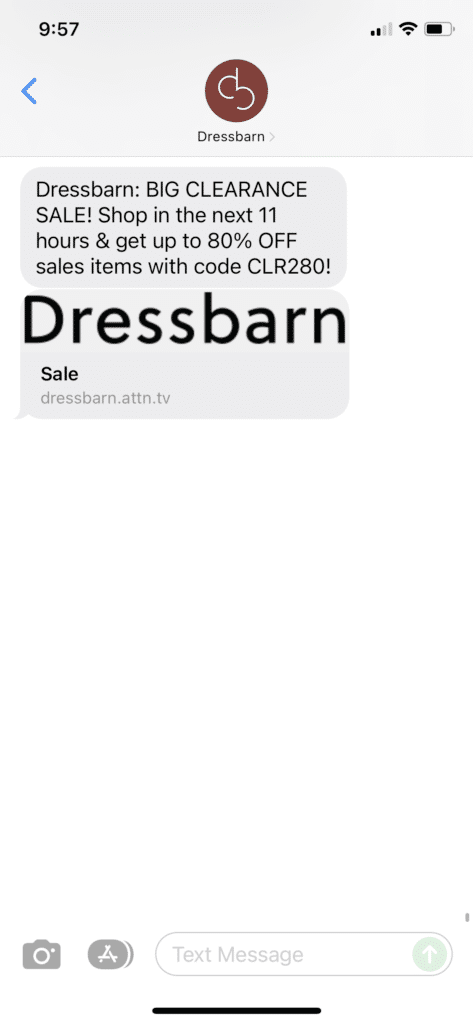
The best SMS marketing campaigns offer consistent value to everyone on your contact list. Send time-sensitive info (like a flash sale announcement) or critical updates (like shipping notifications or two-step authentication codes) via text to improve consumers’ relationships with your brand.
We also recommend adding an element of exclusivity by rewarding subscribers with special offers. SMS-only coupons and free shipping are great perks to entice sign-ups and keep consumers on your list. Show readers the benefits of being on your list by including a clear CTA in each message.
4. Watch your send frequency
The optimal frequency for most text campaigns is one message a week. Start there — and then try varying your message cadence once you have a big enough contact list to gather meaningful data. If you know your target audience well, you might risk starting with a higher send frequency. Just don’t get too spammy. Upland data shows there’s a significant increase in unsubscribe rates once a brand reaches the threshold of 10-15 messages a month.
The reason message cadence is so important goes back to what we mentioned earlier about text messages interrupting your customers. Everything you send must be worth an immediate read. If it’s not, you’re betraying the trust your consumers put in you when they shared their phone numbers. Triggered marketing texts or automated message flows must be built with this in mind. Ask yourself whether drip campaigns and follow-ups are worth increasing the number of messages your customers receive.
5. Be concise without sacrificing clarity
Do U want 2 rcv a msg that  Read More