From meme to mayhem: Why India’s Cockroach protesters refuse to leave
Born online as satire, the movement has spilled into the streets, turning increasingly violent Read Full Article at RT.com
 admin
admin
Born online as satire, the movement has spilled into the streets, turning increasingly violent
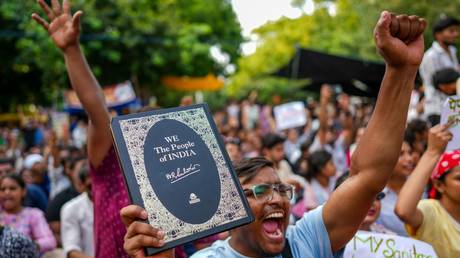
New Delhi has been gripped by major unrest since Monday, with protesters repeatedly clashing with police and injuries reported among demonstrators, police, security personnel, and journalists.
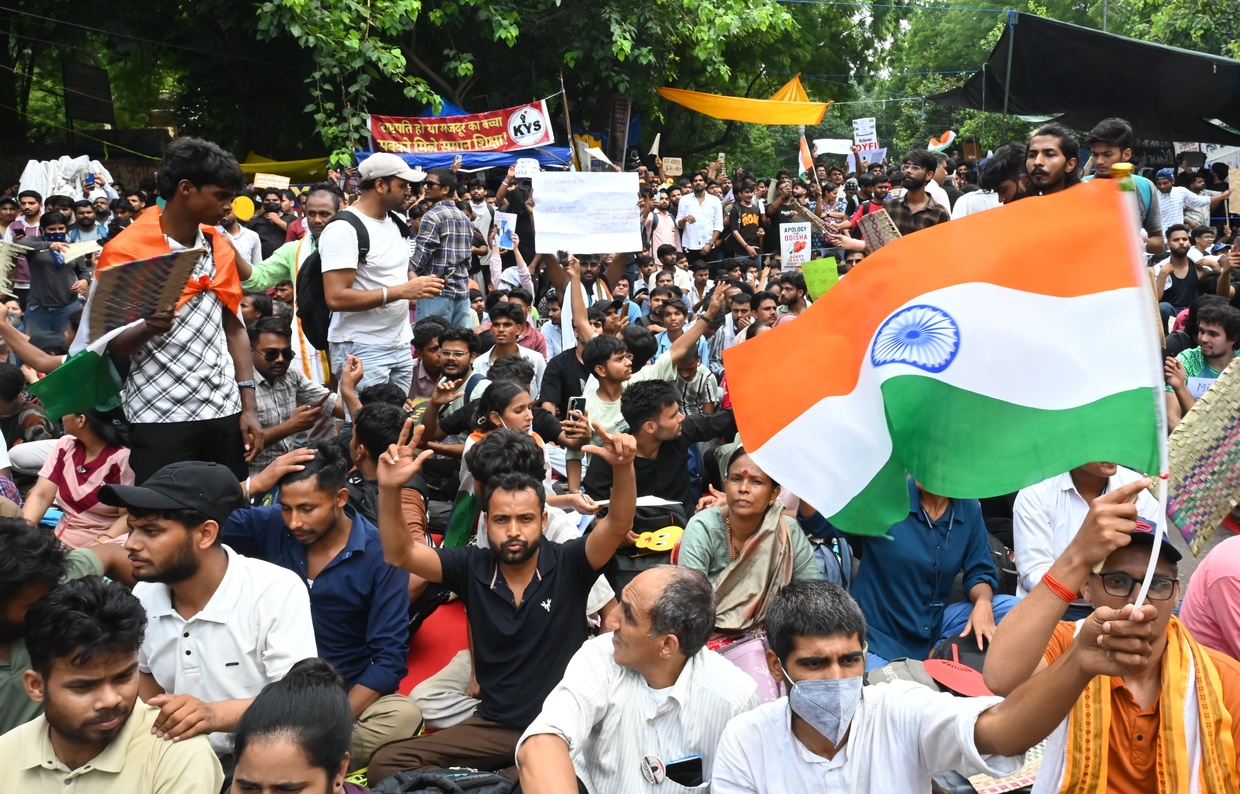
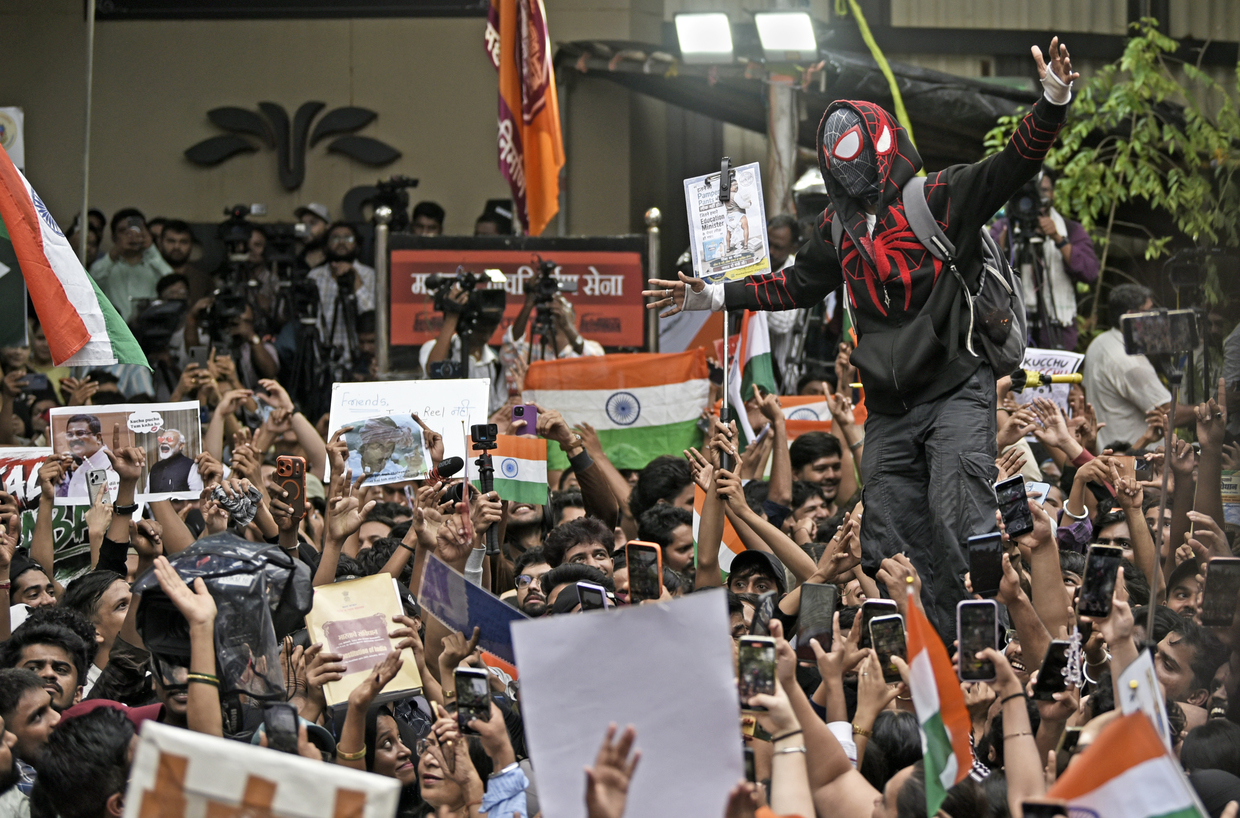
Although government officials have reached out to protest leaders, central Delhi remains packed with young people carrying symbols of the Cockroach Janata Party (CJP) – a satirical movement that has evolved from an online meme into a political force in just three months – amid a heavy security presence.
Indian Prime Minister Narendra Modi made two public appeals on Thursday in an effort to calm the protests. In a post on X, he announced that the government would set up fast-track courts to ensure strict action against those responsible for leaking NEET examination papers.
The National Eligibility-cum-Entrance Test (NEET) is taken each year by more than 2 million Indian students competing for a limited number of medical college seats. It is the issue that set the current unrest in motion. The paper leak in May led to the cancelation of the exam and allegedly drove dozens of aspirants to suicide.
The scandal quickly became a central rallying point for the CJP, even though it was not the issue around which the movement was originally formed. As RT reported earlier, the protesters’ agenda soon widened, with political activists – and now opposition parties – openly backing the movement and raising demands that go far beyond education reform.
In a post on Thursday, Modi vowed to punish those responsible for the leak. “Nothing is more important than the welfare and future of our youth. Those who try to harm the future of our youth will not be spared,” he wrote on X.
Later the same day, in a rare move, Modi released a selfie-style video address, promising to introduce a new Anti-Paper Leak Bill in parliament.
More strict actions against paper leaks to come in tomorrow’s Cabinet! pic.twitter.com/NRysBukk5U
— Narendra Modi (@narendramodi) July 23, 2026
He followed it up on Friday night with another video, this time on Instagram – a platform he has not frequently used in the past. In the clip, he thanked young followers for watching his first video address and sharing their “insightful suggestions.” Indian media reported that Modi gained around 1 million Instagram followers overnight after posting the video on Thursday.
A 26-day hunger strike
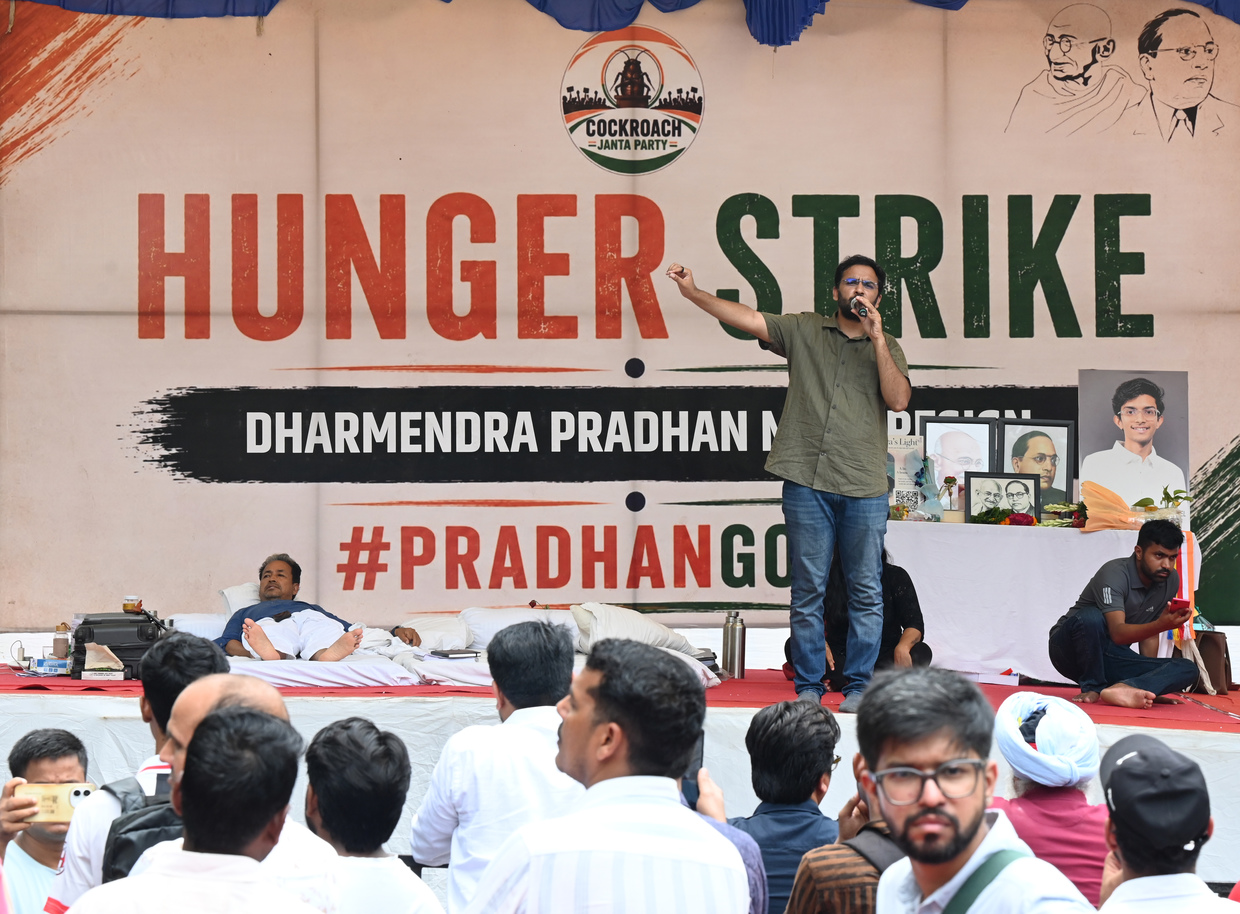
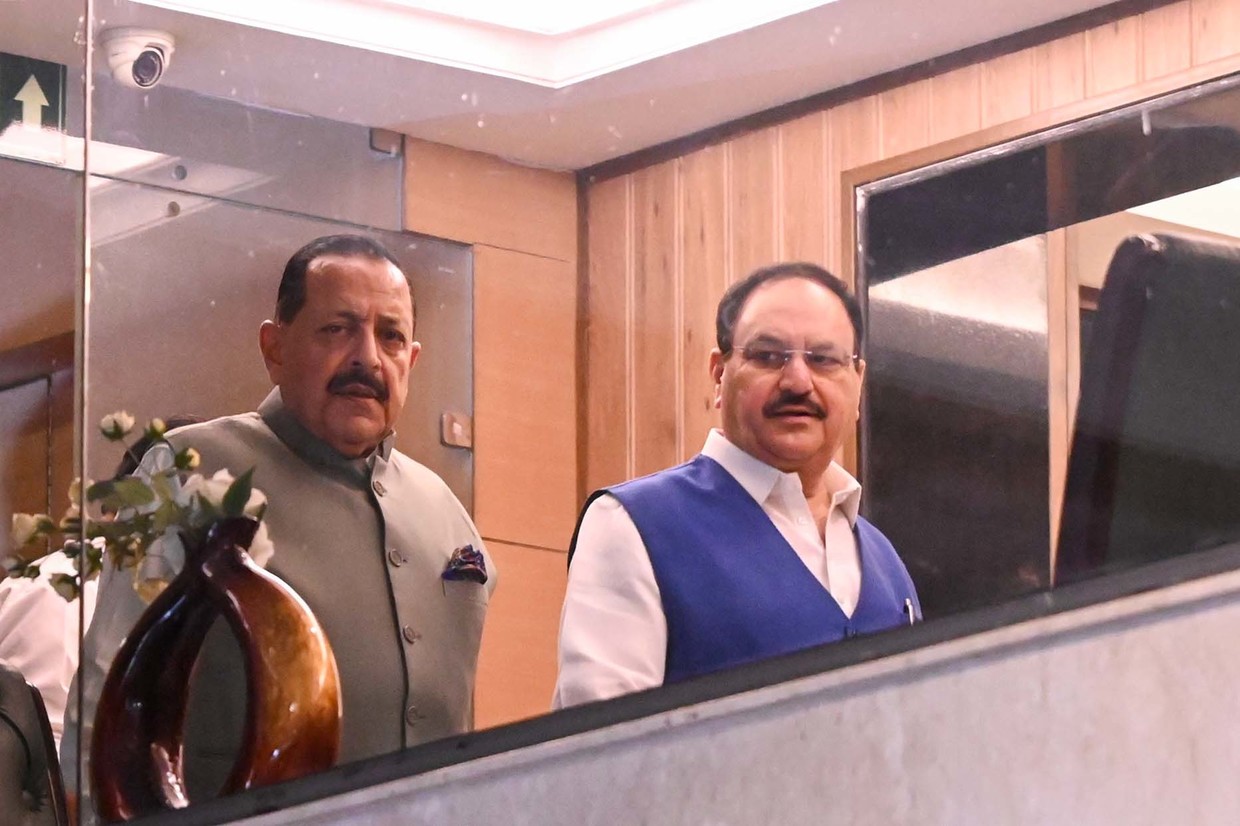
A few hours after the prime minister’s video address on Thursday, activist Sonam Wangchuk – who has become the face of the Cockroach protests – called off his 26-day hunger strike. His fast ended after midnight at Medanta Hospital in the presence of the minister of health and family welfare, JP Nadda, and the minister of state in the Department of Atomic Energy, Jitendra Singh, who are representing the government in the ongoing negotiations with CJP protesters.
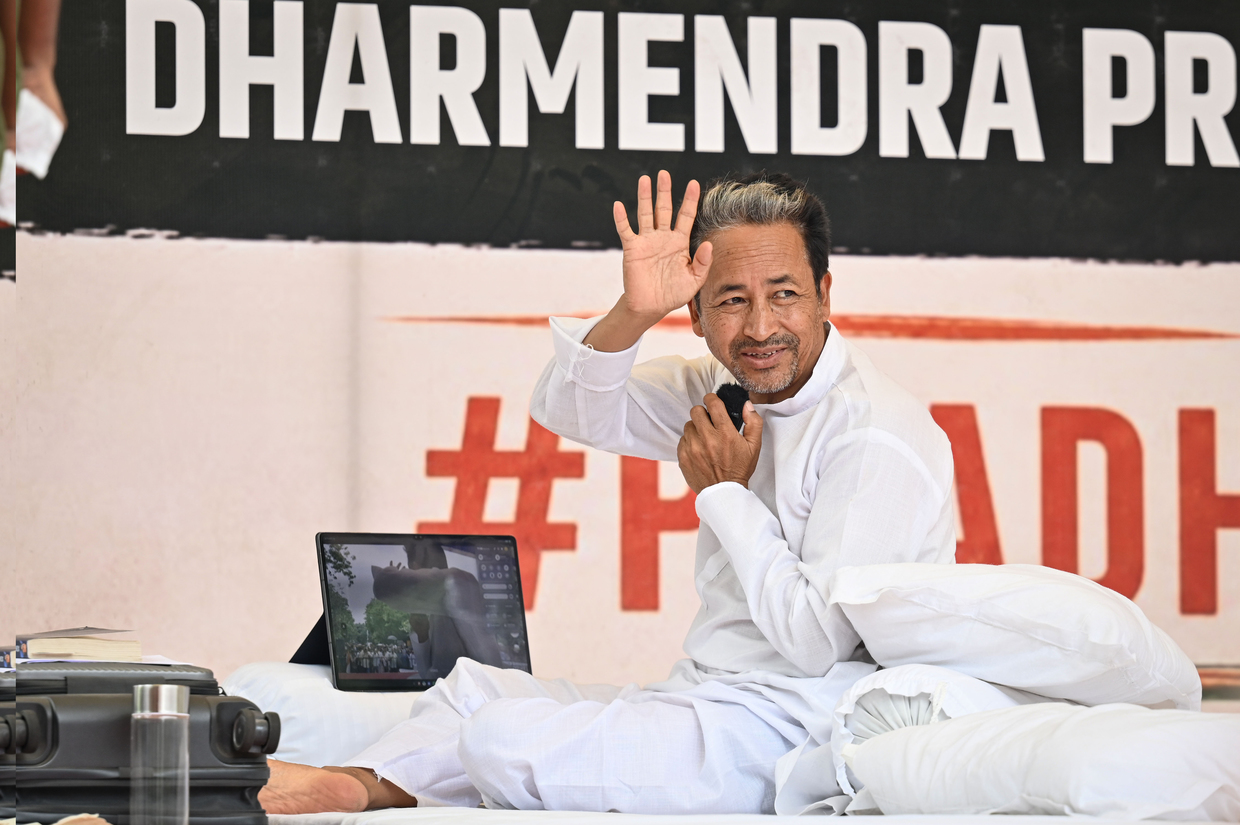
“I ended the fast after 26 days upon getting assurance from the government and members of parliament of all political parties that the issue of accountability in the failing examination system will be discussed on the floors of the Indian Parliament,” Wangchuk said.
“The government also gave assurance that families of suicide victims in the recent NEET examination paper leak will be given adequate compensation and that there will be no cases registered against the peacefully protesting students and youths.”
Wangchuk had been forcibly moved from the protest site at Jantar Mantar in central Delhi to the hospital on July 18, following medical advice and directions from the Delhi High Court over concerns about his deteriorating health.
Some commentators supporting the protests were quick to criticize Wangchuk for ending the fast before key demands had been met. In an emotional video released on Friday night, the activist responded to the criticism, asking whether, after 26 days, he was now expected to produce a “character certificate.”
Wangchuk also described his ordeal after being moved to the hospital – much of which remained outside the public eye. He explained that his main reason for ending the fast was to prevent violence from spreading across the country and to avoid further harm to protesters. He added that for him, the key demand is not the resignation of the education minister – which he argued would not by itself change the system – but a firm assurance from the government that those who took part in the Jantar Mantar protests would not later be arrested.
Notably, two major public universities in the capital – Delhi University (DU) and Jawaharlal Nehru University (JNU) – issued official notices asking students and teachers not to take part in rallies near Jantar Mantar. They warned against joining “unlawful assemblies” or engaging in irresponsible social media activity that could create legal trouble for both the students and the universities, and damage future career prospects. DU also urged students to stay away from “fake and misleading information” circulating on social media that could further inflame the situation.
How the peaceful demonstration turned violent?
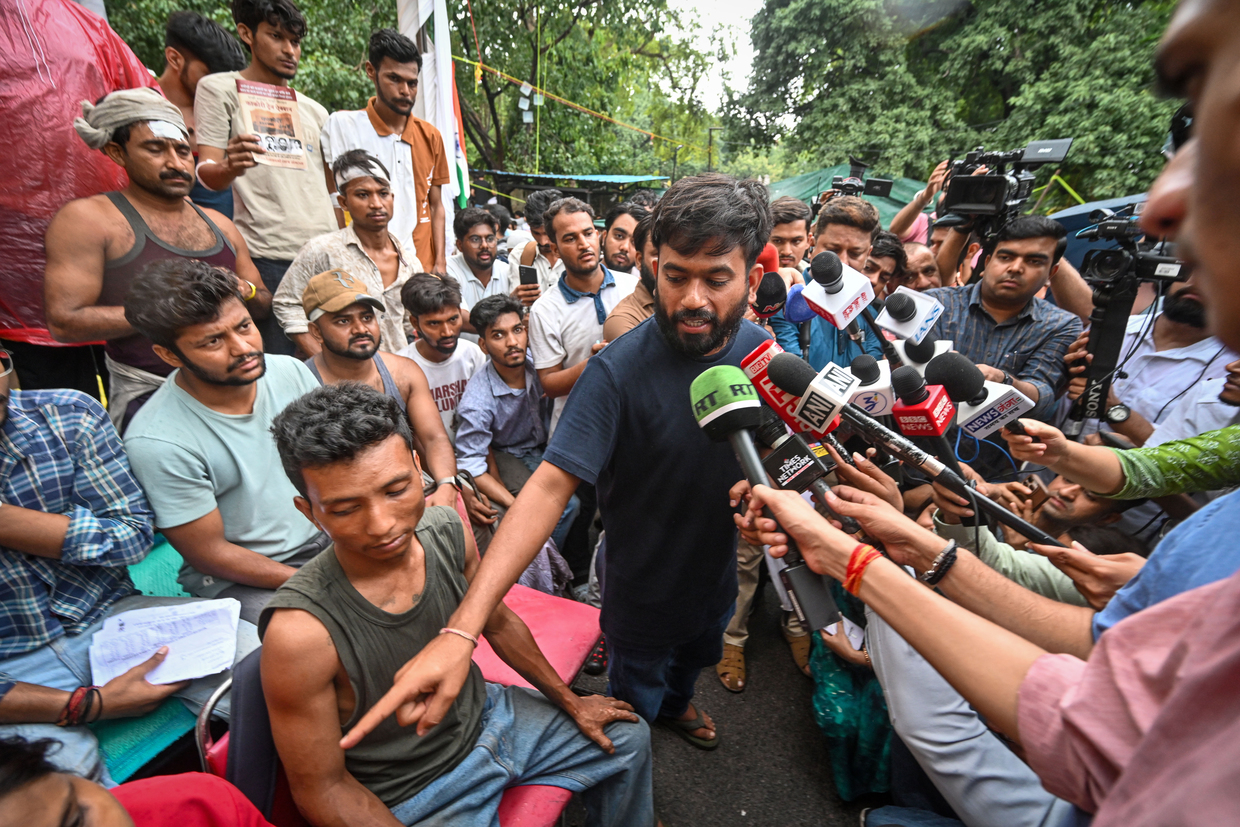
While the demonstration at Jantar Mantar – in the heart of New Delhi – began in June as a peaceful sit-down campaign, it spiraled into violence and chaos this week.
On Monday, the CJP organized a march to the parliament building, about one and a half kilometers from the protest site. Parliament was due to begin its monsoon session that day after the previous session’s recess. Young people from across India – many of them from New Delhi – took to the streets. But police, who did not grant permission for the march, tried to stop them using steel barricades.
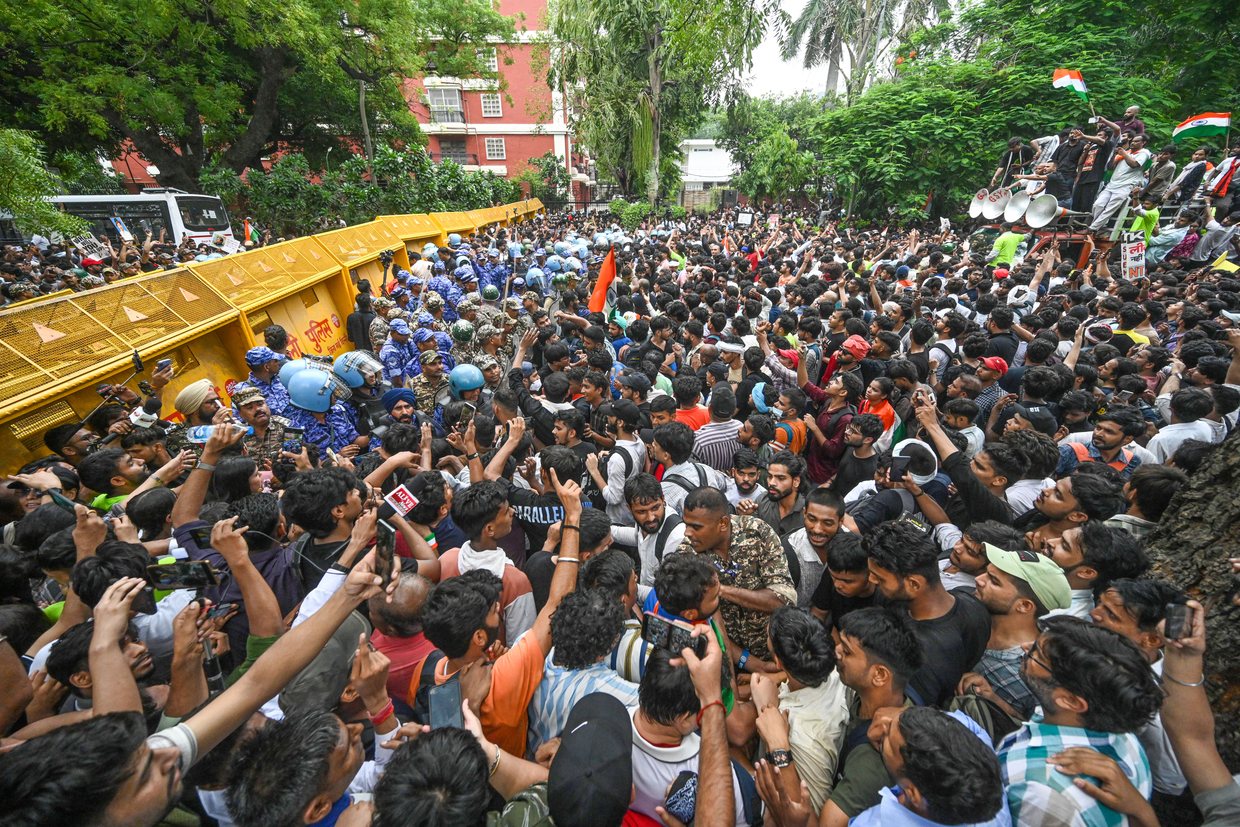
Chaos broke out soon after the march began, as the situation quickly spun out of control. Police used batons, canes, and tear gas to disperse the crowd. Delhi Police later said that nearly 180 people were injured – 118 security personnel and 60 protesters. Footage showing brutal attacks on police officers has raised questions about whether the demonstrators were truly peaceful students or whether outside elements joined in, fueling suspicions of a wider conspiracy.
Several journalists from India’s mainstream news channels were also attacked during the unrest. Some were harassed while broadcasting live on air, and videos of the incidents were widely circulated online and condemned by users. CJP members said those involved in the violence were not part of the “peaceful protesters.”
CJP leader Abhijeet Dipke described the police response as cruel. Opposition parties demanded accountability for the crackdown.
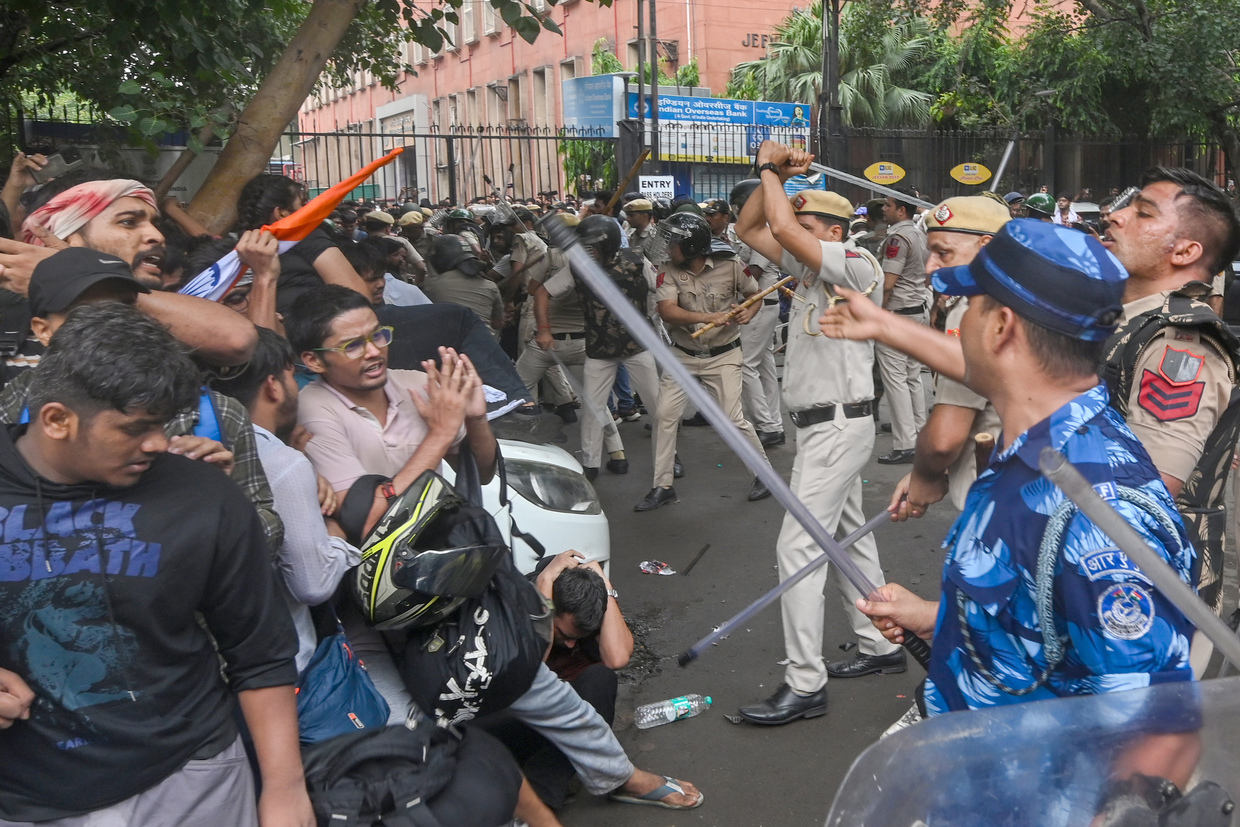
The opposition has increasingly rallied behind the student protest. On July 21, 2026, opposition leader Rahul Gandhi staged a high-profile sit-in outside Modi’s residence after the large demonstrations led by the CJP. Backing the protesters, Gandhi said that “an attack on students is an attack on every Indian family” and argued that young people are protesting because their future – and the examination system itself – has been destroyed. Gandhi was detained by Delhi Police during the demonstration and released later that evening.
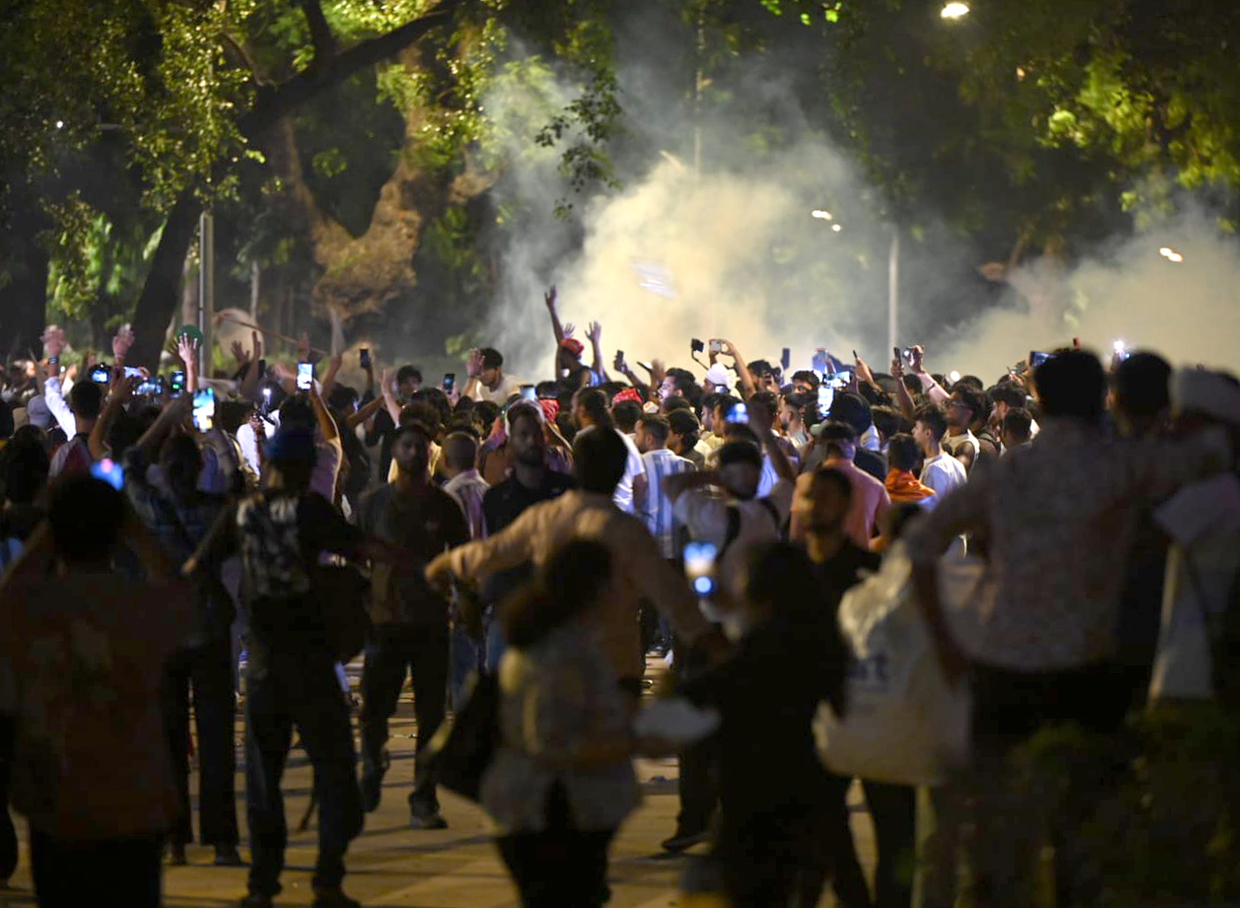
In the following days, further unrest broke out at the protest site – including stone-pelting and attacks on police officers – forcing the authorities to tighten security in the area. Mobile internet was switched off in central Delhi, and metro station gates near the protest site were closed.
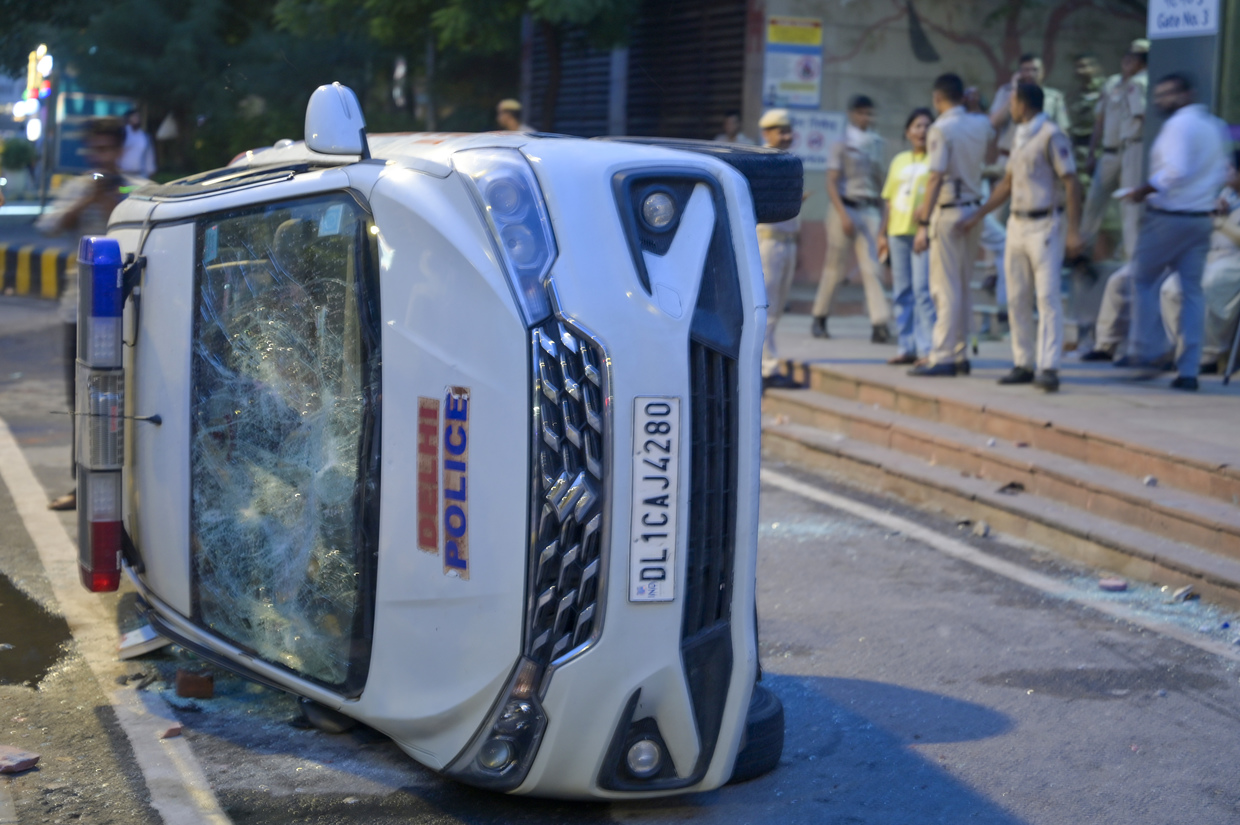
Protests have also taken place in other major cities across the country, including Mumbai, Bengaluru, Kolkata, Goa, Guwahati, Thiruvananthapuram, Jammu, Ahmedabad, Pune, Lucknow, and Nagpur.
There have also been scenes of unrest inside parliament. Some opposition Congress members tied zip ties around their wrists as a symbol of solidarity with arrested protesters. The following day, lawmakers from opposition parties demonstrated inside parliament. Regional parties such as the Aam Aadmi Party, Samajwadi Party, Trinamool Congress, and Shiv Sena (UBT) have publicly backed the CJP’s demands, even as the national Congress leadership has kept a more measured distance – wary of appearing to co-opt a movement that insists it has no electoral ambitions.
Dialogue with government
On Friday, JP Nadda and Jitendra Singh held a two-hour meeting with CJP activists, including chief spokesperson Saurav Das and national spokesperson Ashutosh Ranka. It was the second round of talks in two days, as both sides searched for a way out of the violent unrest that has disrupted life in the capital. They agreed to hold a third round of talks on Saturday.
According to the government, the CJP delegation presented three main demands along with five proposals for reforming the examination system. The movement’s core demands include the resignation or dismissal of Union Education Minister Dharmendra Pradhan over accountability for exam leaks, compensation of 10 million rupees ($100,000) for the families of NEET aspirants who died by suicide, and the withdrawal of police complaints and legal cases against student protesters, along with a guarantee that no further action will be taken against them. Their reform proposals include a systemic overhaul of national competitive exams, tighter regulation of coaching centers, and a review of entrance test patterns to improve fairness and accessibility.
Nadda said the government would hold internal consultations before responding to the issues raised by the delegation at the next meeting. The CJP, however, insisted that its principal demand remains the resignation or removal of Union Education Minister Dharmendra Pradhan.
The government has taken a series of steps in recent days to signal that it can act on its promises. According to sources quoted by ANI on Friday, the National Testing Agency (NTA) has removed 47 officials from service as part of a major overhaul following the paper leak controversy. Media reports also suggest that legal and criminal proceedings may follow against some officials.
The government has also transferred Higher Education Secretary Vineet Joshi to the Ministry of Panchayati Raj, while the Delhi High Court designated Judge Anu Grover Baliga as a special judge to hear cases arising from the paper leaks.
As of Friday night, however, the barricades were still up and the crowds of protesters showed no sign of thinning. Sixteen key metro stations — including Rajiv Chowk, one of the busiest in the city – remained closed, while mobile connectivity in the area was suspended, disrupting everyday life in the capital, from taxi services to deliveries and retail activity.
The question hanging in Delhi’s humid air is whether these developments will be enough to defuse the protest – and whether the young people in cockroach masks will finally leave the streets.
What do the young people want?
While the real force behind the protests, and the movement’s broader agenda, is being hotly debated across the country – on TV and across social media – the protesters RT spoke to on the ground were clear: They want the education system to change.
“For most students who are poor, it [education] is the only way out to uplift themselves and their family from poverty, but these dreams get dashed when the education system becomes corrupt, and papers get leaked. That is why the students demand an explanation,” said Aviyaan Chaudhary, 23, who was among the crowd of students – and their parents – at the protest site on Monday morning, before the march to Parliament turned violent.
Chaudhary, who is pursuing a master’s degree in psychology, traveled from Saharanpur in Uttar Pradesh, more than 160 km away, with a friend to join the protest. He told RT that his parents did not approve of this, but he chose to take a stand anyway.
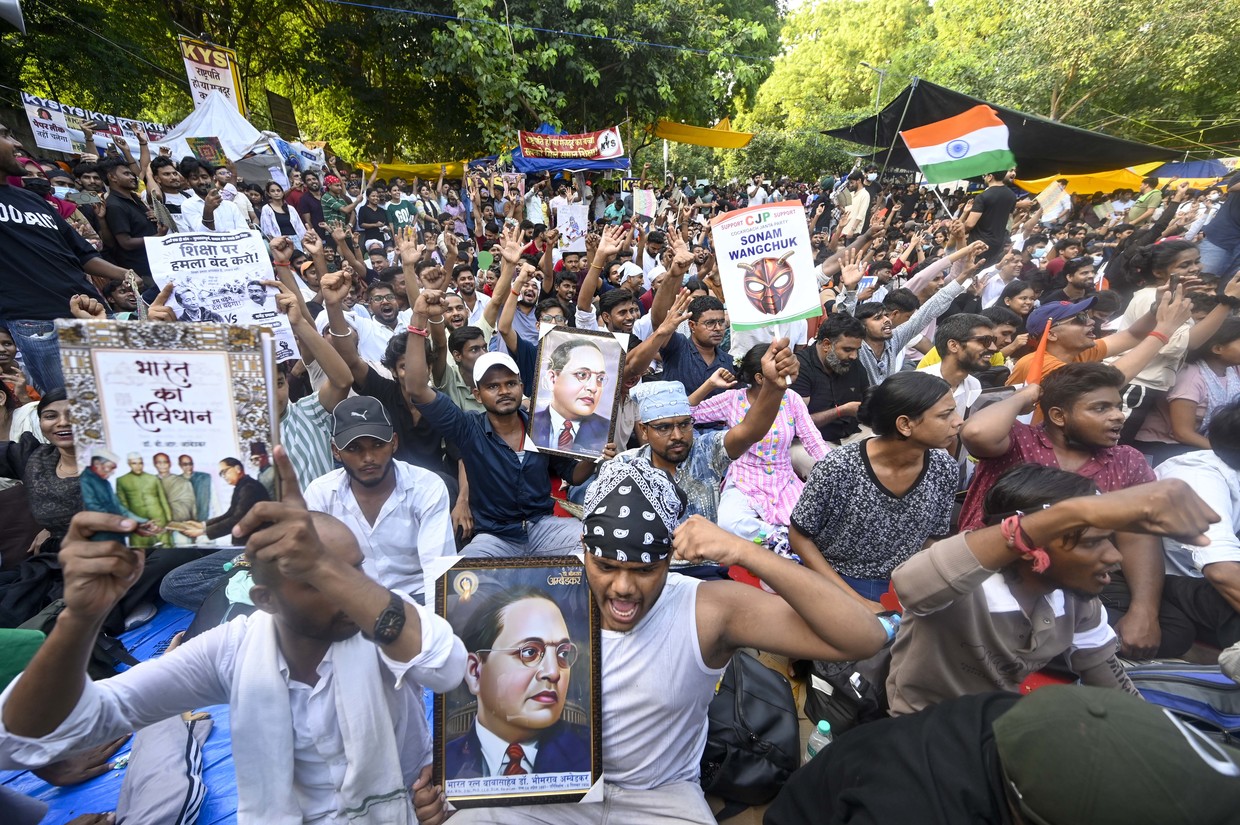
Shweta Naran, an undergraduate studying social sciences at a private university in Greater Noida, arrived at the protest site at 7:00 AM on July 20 with three friends, all of them students, after responding to the CJP’s call.
“We have been waiting to join the protest because the demands of students are genuine. This is a question about every young Indian’s future. It is not about politics,” she said, adding that she intends to keep protesting until the students who allegedly died by suicide after the NEET paper leak receive justice. She also stressed that the “genuine student concern” should not be used for “personal interests or interests of the opposition. It should not be leveraged by any party.”
Not everyone is convinced the movement can sustain its momentum. “Where will the Cockroach movement go?” political scientist Suhas Palshikar asked. “Perhaps nowhere – it will allow venting of frustration and taper off. Like the farmers’ protests, it may win some, but lose steam over time. The ideological and political character of the Cockroach movement is currently fluid, and various forces are bound to piggyback on it.”
With the next round of talks between government representatives and CJP leaders scheduled for Saturday, the movement may be approaching another turning point. “It will only depend on whether these talks will lead to a compromise or only add more fuel to the deadlock. But for those thousands of protesting youth who stay outside under the Sun in Jantar Mantar, any other outcome is impossible,” Hina Zain, 19, a university student who has been camping at the protest site, said.