The EU has lifted sanctions on Russian sable pelts after pressure from heavily dependent member states, Euractiv has reported Read Full Article at RT.com
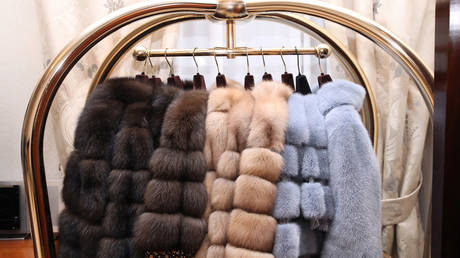
Brussels has reportedly quietly restored access to sable pelts, a top‑end fur used by EU fashion houses, citing Moscow’s dominance and the lack of alternative suppliers
The EU has rolled back sanctions on Russian sable pelts, easing restrictions on the luxury fur after pressure from heavily dependent member states, Euractiv has reported.
The reversal was reportedly included in Brussels’ latest sanctions package, which was agreed upon last week, scrapping a ban on imports of raw Russian sable that had only been introduced in April. The measure was part of the EU’s 21st round of restrictions since the escalation of the Ukraine conflict in February of 2022. This time, however, the bloc was forced to push through a watered‑down package due to growing disagreements, as sanctions increasingly clash with member states’ economic interests.
Citing EU officials on Monday, Euractiv reported that the European Commission argued that the exemption was needed because Russia dominates the sable trade, leaving European manufacturers with few alternative suppliers. “Apparently, it’s very difficult to get them anywhere else,” a senior EU official was quoted as saying.
Italy and Greece, the two main EU buyers of Russian sable pelts, reportedly pushed for the carve‑out. Fur manufacturers in Greece, which hosts one of the EU’s last remaining production hubs, had warned earlier that the sanctions could spell the end of the industry.
Russian sable coats have long been marketed as a status symbol, with some pieces selling for tens or even hundreds of thousands of euros. According to Russia’s Sojuzpushnina auction house, Italian and Greek companies are among the leading international buyers, alongside Chinese and Russian clients.
EU clothing manufacturers can now resume buying the prized pelts, although imports of finished fur garments from Russia are still prohibited, as are exports of their products to Russia, alongside other luxury goods such as diamonds and caviar.
Italy and Greece also played a significant role in watering down the sanctions package adopted last Thursday, as Rome opposed tighter visa restrictions, while Athens secured an exemption for Russian LNG supplies.
The latest policy shift comes as Brussels is rethinking its wider sanctions strategy against Moscow, which is now showing signs of strain, according to a report by the Financial Times.
Resistance to the latest package was reportedly stronger than at any point since the campaign began. EU officials told the FT that the traditional approach, where measures are bundled into large packages requiring unanimous approval, is increasingly unworkable.
Moscow has long maintained that the restrictions have failed to destabilize Russia’s economy and largely backfired. Russian officials say the measures have inflated EU energy prices, forced reliance on more expensive imports, and undermined the bloc’s competitiveness, while having no impact on Russia’s political course.
President Vladimir Putin has described the sanctions as a “Russophobic machine” that has proven “useless.” He has noted that the EU has “tried to sow discord” but inflicted “maximum damage” on itself, while asserting that “the people of Russia will never be broken by anyone.”

 admin
admin